
2027 Won't Wait: Why Schools Are Planning Their VETiS Programs Now!
Queensland schools are securing their VETiS partnerships for 2027, and the early planning advantage could determine which students gain access to career-changing construction and engineering pathways.
The Strategic Window: Understanding VETiS Program Lead Times
While 2027 might seem comfortably distant on your planning calendar, the schools achieving the strongest VETiS outcomes are the ones making strategic decisions right now. The reality of vocational education in schools is that success isn't determined in the year of delivery. It's built through careful preparation that begins much earlier.
Consider what needs to happen before a single student walks into their first practical session. Training partnerships must be established with qualified Registered Training Organisations. Programs need alignment with both QCE requirements and nationally recognised apprenticeship frameworks. Timetabling conversations must occur across departments. Student pathway mapping needs to begin so that the right students are connected to the right opportunities. These aren't quick administrative tasks. They're strategic decisions that shape the quality and reach of your vocational offerings.
The schools that start these conversations now gain a decisive advantage. They secure partnerships with training providers who have the capacity, expertise, and industry connections to deliver genuine outcomes. They have time to integrate VETiS programs seamlessly into their existing timetables rather than forcing last-minute compromises. Most importantly, they give themselves the breathing room to make thoughtful decisions about which programs will serve their students best, rather than scrambling to fill gaps when time runs short.
Building Tomorrow's Workforce: How VETiS Programs Create Real Career Pathways
VETiS programs represent far more than a credential on a student's transcript. Done well, they're the beginning of a clear pathway from classroom to career, particularly in the construction and engineering trades where Queensland faces a persistent skills shortage and employers are actively seeking the next generation of qualified workers.
The difference between a VETiS program that leads somewhere and one that simply ticks a box comes down to industry connection. Students need more than theory and workshops. They need to see where their training leads. They need exposure to real worksites, conversations with actual employers, and a clear understanding of what apprenticeship opportunities exist once they finish school.
This is where the concept of 'Training That Leads Somewhere' becomes critical. Quality VETiS delivery doesn't end when students complete their Certificate II. The strongest programs include dedicated support to connect students with employers across the state, opening doors to apprenticeships and work experience opportunities. Your school shouldn't have to manage the next step alone. When you partner with a training provider that includes an Industry Pathways Coordinator actively linking students to real jobs across Queensland, you're offering students a genuine career trajectory, not just a qualification.
Beyond the Classroom: What Makes Industry-Connected VETiS Programs Different
Not all VETiS programs are created equal, and schools making decisions now have the opportunity to understand what separates programs that genuinely prepare students for industry from those that fall short.
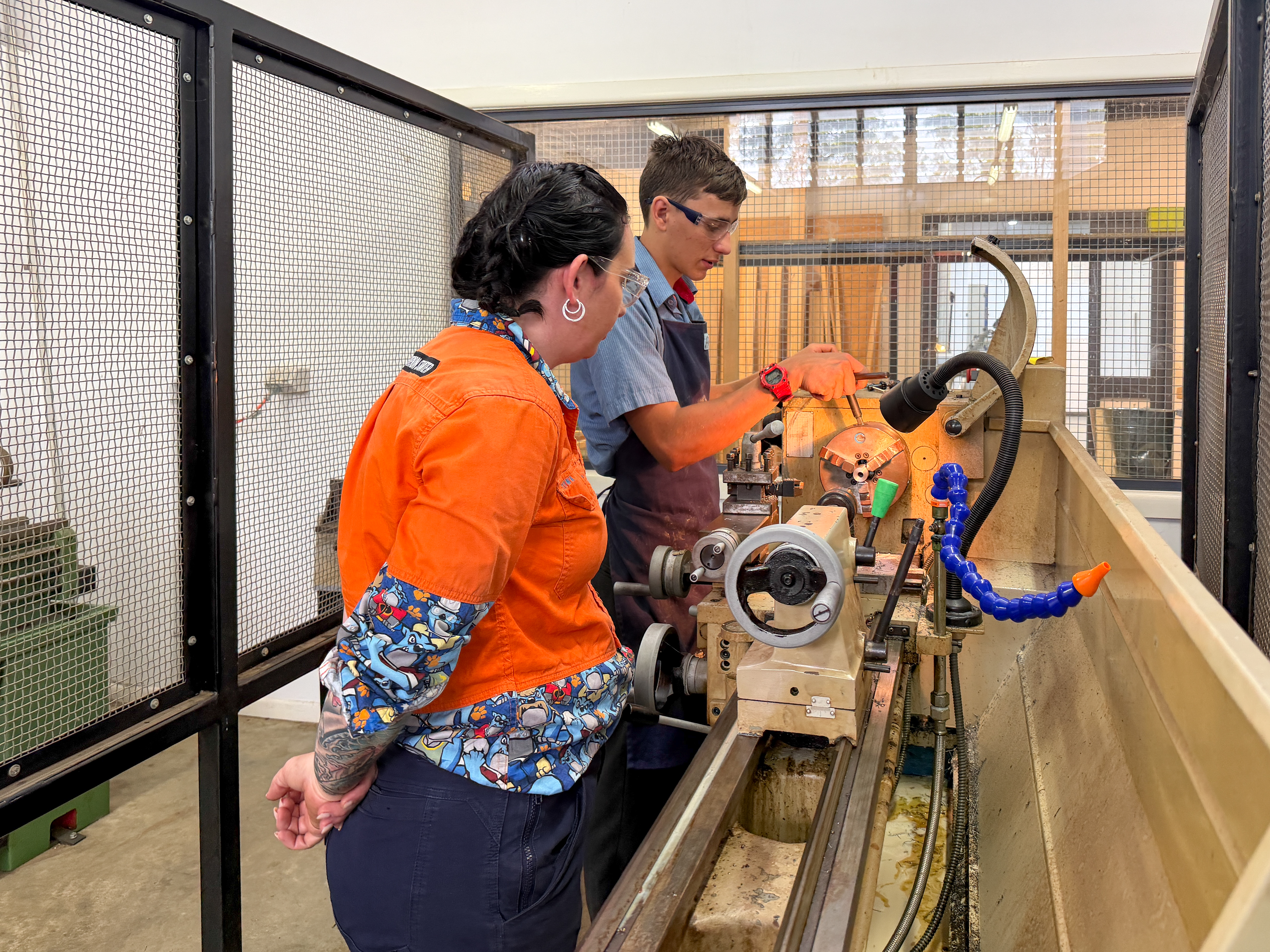
The most effective VETiS programs are designed and delivered by people who've actually worked in the trades. When your students learn carpentry or engineering skills from qualified trainers who are also real tradespeople, the learning becomes immediately relevant. They're not just following a curriculum. They're absorbing the practical knowledge, problem-solving approaches, and work habits that matter on actual job sites.
Industry connection also means programs that align with apprenticeship frameworks from the outset. Students completing a Certificate II in Construction Pathways or Certificate II in Engineering Pathways aren't starting from scratch when they enter an apprenticeship. They're building on a foundation of nationally recognised skills. This makes them more attractive to employers and gives them a genuine head start in their chosen trade.
Finally, industry-connected delivery means practical support for schools. The administrative burden of managing VETiS programs can be significant, but it doesn't have to be. Real-time tracking systems, clear communication channels, and training providers who understand how schools operate make the difference between a program that feels like a burden and one that feels like a partnership.
Securing Quality Training Partners: The Critical Decisions Schools Must Make Now
Choosing a VETiS training partner is one of the most consequential decisions school leaders will make for 2027. The partner you select will directly influence student outcomes, administrative workload, industry connections, and ultimately, whether your vocational programs deliver genuine career pathways or simply occupy timetable space.
Start by asking whether the training provider has a proven track record with schools across diverse contexts. A network of 120 or more partner schools across metro, regional, and remote Queensland isn't just an impressive statistic. It's evidence of delivery capability, flexibility, and sustained quality. It demonstrates that the provider understands the unique challenges schools face, from timetabling constraints to resource limitations, and has developed solutions that work in real educational environments.
Consider how training will be delivered. Can programs fit within your regular school timetables and subject lines, or will they require disruptive block delivery and student absences? Does the provider offer delivery that comes to your school, or will transport and logistics become an ongoing challenge?
Ask about the support that extends beyond delivery. Will the training partner contribute toward workshop materials, or will your budget bear the full resource cost? Is there access to ongoing professional support and communication, or will your VET coordinator be left managing issues alone? These practical questions reveal whether a partnership will genuinely support your school or simply extract compliance funding while leaving the real work to you.
From Planning to Placement: Your Roadmap for Successful VETiS Implementation
Successfully implementing VETiS programs for 2027 requires a clear roadmap that begins with strategic conversations today. Schools that approach this process methodically position themselves for stronger outcomes at every stage.
Begin by mapping student demand and career interests. Which pathways make sense for your student cohort? Are construction trades a natural fit given local industry? Is there strong interest in engineering and manufacturing? Understanding this foundation ensures you're pursuing programs that will attract genuine student engagement rather than forcing uptake.
Next, initiate conversations with potential training partners well before formal commitments are required. This exploratory phase allows you to understand delivery models, assess provider capabilities, and determine whether there's genuine alignment between what the provider offers and what your school needs. Ask about qualification outcomes, industry connections, administrative processes, and how the partnership would function in practical terms.
Work through the internal planning that effective VETiS programs require. How will these programs integrate with your existing timetable? Which staff members will coordinate and support students? What communication processes need to exist between your school and the training provider? How will you track student progress and ensure completion rates remain strong?
Finally, build in time for student pathway conversations. VETiS programs deliver the most value when students understand where their training leads and what opportunities exist beyond school. Early planning gives you time to develop these conversations, connect students with industry information, and ensure that those entering vocational programs are making informed decisions about their futures.
Here's What Blue Dog Training Actually Does for Your School
Blue Dog Training partners with more than 120 schools across Queensland to deliver VETiS programs in construction and engineering that lead to genuine career outcomes. Our approach addresses the practical challenges schools face while maintaining the industry connection and qualification quality that creates real pathways for students.
All our programs are designed and delivered by qualified trainers who are also real tradespeople. Students learn from people who've worked on actual sites, understand industry expectations, and can teach not just curriculum content but practical trade knowledge. This industry authenticity makes a measurable difference in how well students transition into apprenticeships and employment.
We deliver programs that fit within regular school timetables and subject lines, eliminating the disruption of block training and lengthy student absences. Our delivery model brings training to your school where practical, making VETiS programs accessible even in regional and remote contexts.
Administration remains simple through real-time tracking systems that give schools visibility into student progress without creating additional workload. Our VET coordinators can monitor completion rates, identify students who need additional support, and maintain the documentation required for compliance and reporting.
We contribute toward workshop materials, reducing the resource burden on school budgets. Our programs deliver nationally recognised qualifications aligned with both QCE requirements and apprenticeship frameworks, ensuring students are building credentials that matter to employers and tertiary pathways alike.
Perhaps most importantly, our dedicated VETiS team actively connects students with real employment opportunities across Queensland. This isn't passive support. It's proactive linking of students to employers, apprenticeship opportunities, and work experience placements. The school doesn't have to manage the next step alone because our Pathways team is working to open doors for your students throughout their training and beyond.
If you're planning VETiS programs for 2027, the conversation should start now. The Blue Dog VETiS School Handbook provides detailed information about our programs, delivery model, and partnership approach. You can access it on our For Schools page or view the digital handbook.. Reach out today to begin exploring how we can support your school's vocational education goals and give your students access to construction and engineering pathways that genuinely lead somewhere.
.png)
